Beach Naturalist Volunteer — Seattle Aquarium
Two seasons volunteering as a Beach Naturalist at Carkeek Park through the Seattle Aquarium's program — educating beachgoers about tidal pool life, and convincing kids not to take any of it home.
- Volunteer
- Conservation
- Seattle
- Nature
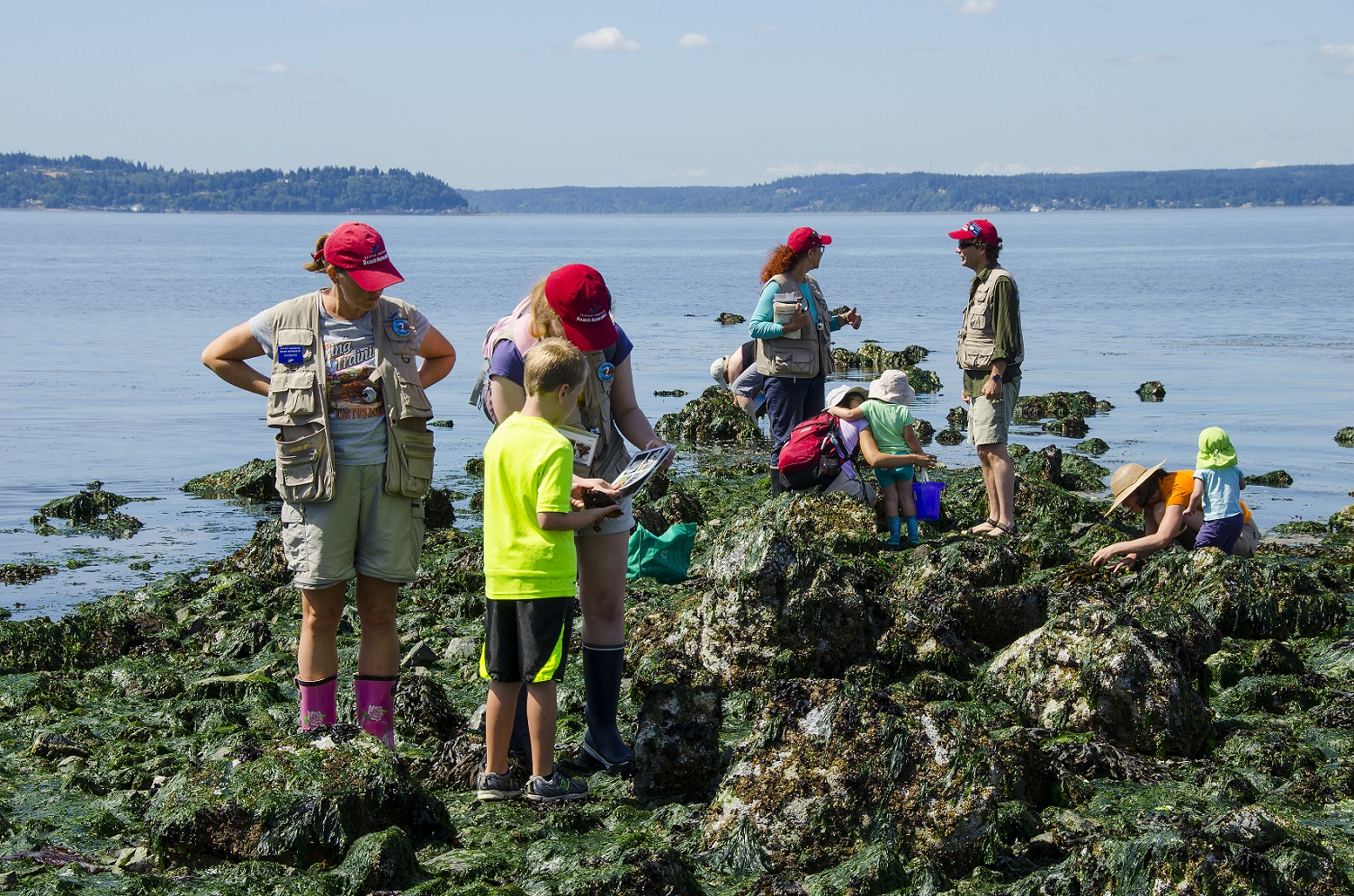
In the spring of 2007 I joined the Seattle Aquarium's Beach Naturalist program, a volunteer initiative that places trained naturalists on Puget Sound beaches during low tides to educate the public about marine life, tidal ecosystems, and coastal conservation.
My assigned beach was Carkeek Park in Seattle, and I returned for the 2008 season as a veteran naturalist. The program ran on weekends through the summer, timed to the lowest tides of the season when the most interesting marine life became visible in the pools.
What it involved
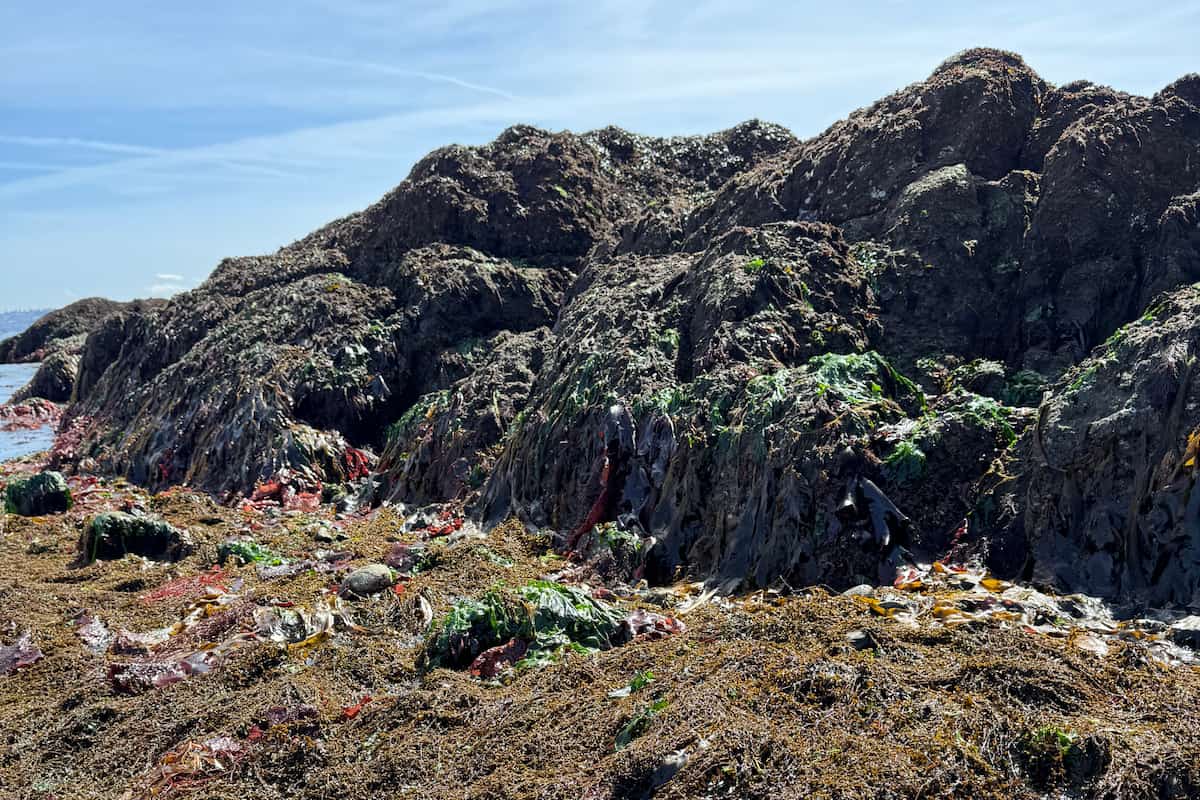
Before setting foot on the beach, naturalists completed several weeks of training at the Seattle Aquarium covering tidal biology, interpretation techniques, salmon and nearshore ecology, and hands-on identification of local species. The training was genuinely thorough — the kind that makes you realize how much is happening in a few square feet of tide pool that most people walk right past.
On duty, the job was to engage beachgoers in conversation, help them understand what they were looking at, and connect them to the broader story of Puget Sound's health. The program was built around informal interpretation rather than lectures — meeting people where they were, using the animals themselves as the entry point.
A 127-person volunteer team made roughly 18,000 public contacts across eight beaches during the 2007 season alone. That's a lot of conversations about limpets and sea stars.
The honest part
The education side was genuinely enjoyable. Watching someone stop in their tracks because they actually looked at a tidal pool for the first time, or hearing a kid ask a question that showed they were actually thinking about the ecosystem — that part was great.
Convincing kids not to take things home was a different story entirely. A child who has just discovered a hermit crab has very clear intentions, and "leave it where you found it" is not always a persuasive argument when you are eight years old and the crab is right there in your hand. You develop a certain diplomatic persistence.
The program was coordinated by Charlotte Spang and Janice Mathisen of the Seattle Aquarium, who ran a remarkably well-organized volunteer operation across multiple beaches, tides, and seasons. Good people doing good work for the Sound.
About the program
The Seattle Aquarium's Beach Naturalist program has been running since 1999, placing volunteers on beaches throughout the Seattle area during summer low tides. Naturalists are trained in marine biology, public interpretation, and conservation education, and serve as a direct link between the Aquarium's mission and the public's experience of the local coastline.
If you're in Seattle and interested in volunteering, the program is still active: seattleaquarium.org/beach-naturalist